Essential details
Shipping:sea transportation
Product Introduction
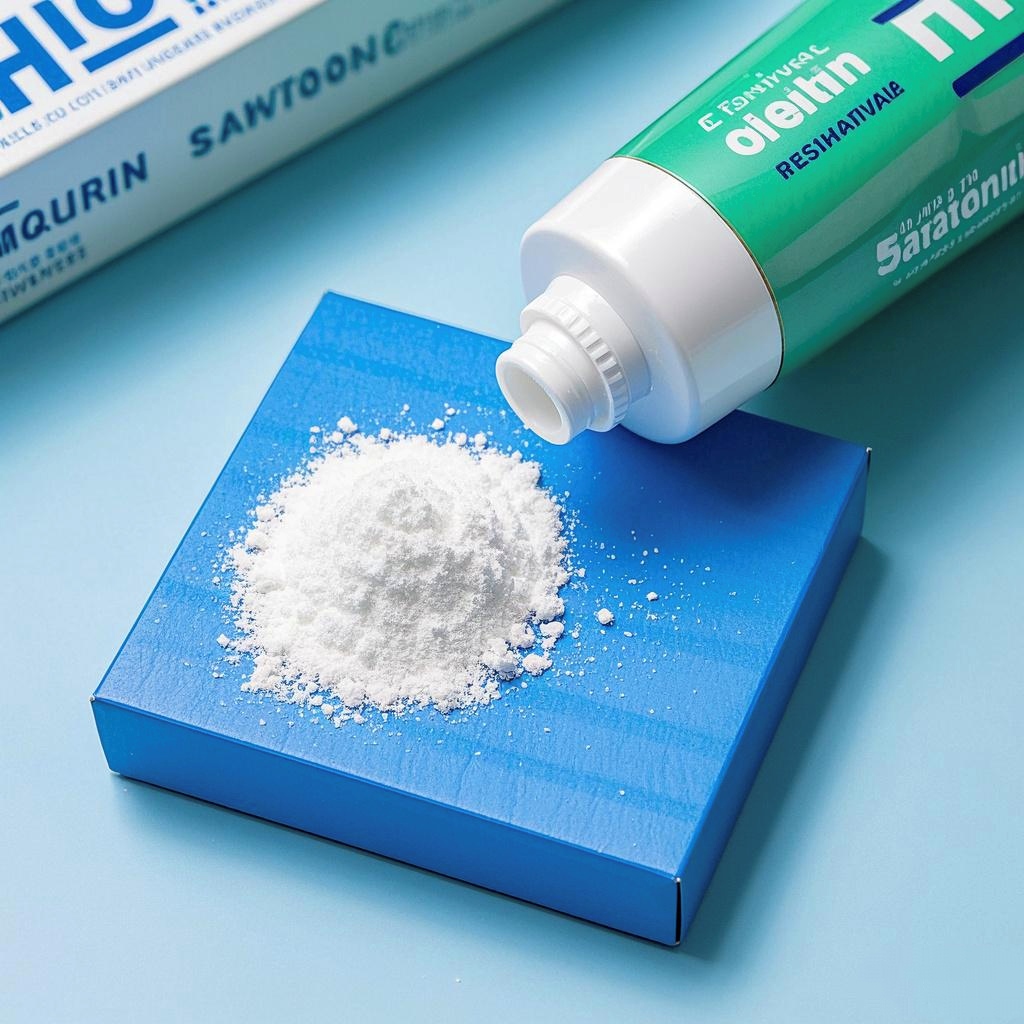
Toothpaste grade silica is a fine chemical specifically used in the production of toothpaste.
In terms of composition, the main component is silica, which is a white, tasteless, odorless powder. Its high purity, low impurity content, in line with the toothpaste production of raw materials strict requirements.
In terms of physical properties, the size of toothpaste grade silica is usually around 3-12 microns, and this size range helps it to perform specific functions in toothpaste. It has good dispersion and can be evenly dispersed in the paste of toothpaste. At the same time, it also has a suitable oil absorption value and water absorption, can absorb the liquid ingredients in the toothpaste, and maintain the stability and appropriate consistency of the toothpaste paste.
The chemical properties are stable, and there will be no chemical reaction under the pH environment of the toothpaste (pH value is generally about 7-16), and there will be no adverse interaction with other ingredients in the toothpaste such as fluoride, spices, etc.
The role of toothpaste has two main aspects. First, as a friction agent, its moderate hardness can effectively remove plaque, food debris and other dirt on the surface of the teeth, and will not cause excessive damage to the tooth surface and gums. The second is that it can play the role of thickening agent to help maintain the structure and texture of the toothpaste paste, so that the toothpaste is easy to extrusion and maintain a good shape on the toothbrush.
In the production of toothpaste, the use of toothpaste grade silica can make the toothpaste have a good taste and appearance. It does not make toothpaste feel rough like some traditional abrasives, thus improving the user experience. And its whiteness is higher, which helps to improve the color of the toothpaste, so that the toothpaste looks more white and beautiful.
Q1: What applications is this silica suitable for?
A: It may be considered for dry food powders, premixes, and oral solid or topical formulation applications. Suitability for a specific finished product remains the customer's responsibility to verify against destination-market regulations.
Q2: What are the main functional properties?
A: It acts as an anti-caking agent and flow aid in dry powders, and can serve as a carrier or glidant in formulation systems. Particle size and surface area are selected against the target application; available parameters are listed on the TDS and confirmed by batch COA.
Q3: What specifications and test documents are available?
A: TDS, MSDS and batch COA are available on request. Heavy metals, trace impurities and microbial profile are controlled per internal specification and confirmed by batch COA. Specific regulatory status and permitted inclusion levels follow the regulations of the destination market.
Q4: Do you support customized particle size?
A: Particle size distribution can be discussed against the target formulation. Available grades and adjustable ranges are confirmed per inquiry, with details provided on the TDS.
Q5: What packaging options are available?
A: Standard woven-bag packaging includes 10kg, 15kg and 20kg options with an inner liner; other inner packaging configurations are discussed per grade and destination.
Q6: What is the shelf life and storage condition?
A: Keep the product in a cool, dry and well-ventilated environment, sealed after opening. The shelf life follows the COA shelf-life period under proper storage.
Q7: How is batch quality controlled?
A: Production follows internal controlled quality procedures covering raw material inspection, in-process monitoring and finished product testing; batch records are checked per ordered lot.
Q8: What technical support is provided?
A: Technical guidance on formulation and process selection is available on request. Sample availability and test reports are discussed per inquiry.